
Dreaming of sun-drenched shores, ancient ruins, and vibrant cultures? A Mediterranean cruise offers the perfect blend of relaxation and exploration. This guide delves into the diverse itineraries available, comparing cruise lines, highlighting popular and lesser-known destinations, and providing essential planning information to ensure your dream vacation becomes a reality. From the historical richness of Rome to the charming villages of Greece, we’ll navigate the possibilities, helping you craft an unforgettable journey.
We’ll explore the best times to travel, the most popular ports of call, and the unique experiences each destination offers. We’ll also compare different cruise lines, highlighting their strengths and catering to various preferences, from luxury voyages to family-friendly adventures. With practical tips on booking, packing, and maximizing your shore excursions, this guide aims to be your ultimate resource for planning a Mediterranean cruise.
Mediterranean Cruise Itineraries
Embark on a captivating journey through the sun-drenched shores and ancient wonders of the Mediterranean Sea. A cruise offers a unique and convenient way to explore this diverse region, allowing you to experience multiple cultures and breathtaking landscapes in a single trip. From bustling cities rich in history to idyllic islands promising relaxation, a Mediterranean cruise promises an unforgettable adventure.
Popular Mediterranean Cruise Destinations
Choosing the right itinerary is key to a successful Mediterranean cruise. The following list highlights five destinations consistently ranking among the most popular choices, each offering unique attractions and experiences.
- Rome, Italy: A city steeped in history, Rome boasts iconic landmarks like the Colosseum, Roman Forum, and Vatican City. Explore ancient ruins, admire Renaissance masterpieces, and indulge in delicious Italian cuisine.
- Barcelona, Spain: Known for its vibrant culture and stunning architecture, Barcelona captivates with Antoni Gaudí’s masterpieces like the Sagrada Família and Park Güell. Enjoy the city’s lively atmosphere, delicious tapas, and beautiful beaches.
- Athens, Greece: Journey back in time in Athens, the birthplace of democracy and Western civilization. Visit the Acropolis, explore ancient Agora, and immerse yourself in the rich history and mythology of Greece.
- Venice, Italy: A city of canals and romance, Venice offers a unique experience. Gondola rides through the charming waterways, visits to St. Mark’s Square and Doge’s Palace, and exploration of hidden alleyways create an unforgettable atmosphere.
- Istanbul, Turkey: Bridging Europe and Asia, Istanbul boasts a fascinating blend of cultures and histories. Explore the Hagia Sophia, Topkapi Palace, and the vibrant Grand Bazaar, experiencing the unique fusion of East and West.
Comparison of Top Three Mediterranean Destinations
This table compares Rome, Barcelona, and Athens based on historical significance, cultural experiences, and nightlife.
| Destination | Historical Significance | Cultural Experiences | Nightlife |
|---|---|---|---|
| Rome | Extremely High (Ancient Rome, Vatican City) | Rich history, art, architecture, cuisine | Varied, from traditional trattorias to modern bars |
| Barcelona | High (Roman ruins, Gothic Quarter) | Modern architecture (Gaudí), vibrant arts scene, flamenco | Lively, with numerous bars, clubs, and live music venues |
| Athens | Extremely High (Acropolis, Ancient Agora) | Ancient history, mythology, museums, traditional Greek culture | Developing, with a mix of traditional tavernas and modern bars |
Unique Selling Points of Lesser-Known Mediterranean Ports
Beyond the popular destinations, the Mediterranean harbors many hidden gems. These lesser-known ports offer unique experiences and a chance to escape the crowds.
- Kotor, Montenegro: Nestled within a dramatic fjord-like bay, Kotor offers stunning scenery and a charming Old Town, a UNESCO World Heritage site. Explore its narrow streets, ancient walls, and breathtaking views.
- Dubrovnik, Croatia: Known as the “Pearl of the Adriatic,” Dubrovnik boasts magnificent city walls, a stunning Old Town, and crystal-clear waters. Explore its historical sites and enjoy the breathtaking coastal views.
- Valletta, Malta: A fortified city with a rich history, Valletta offers a unique blend of cultures and architecture. Explore its historic streets, impressive fortifications, and vibrant cultural scene.
Planning a Mediterranean Cruise
Embarking on a Mediterranean cruise is a thrilling prospect, promising sun-drenched shores, historical wonders, and delectable cuisine. However, meticulous planning is key to ensuring a smooth and unforgettable experience. This section details essential information to consider before setting sail.
Essential Considerations for Planning a Mediterranean Cruise
Thorough preparation is paramount for a successful Mediterranean cruise. Failing to address certain aspects can lead to unexpected complications and detract from your enjoyment. The following checklist covers crucial elements to consider before booking your trip.
- Visa Requirements: Determine visa requirements based on your nationality and the countries you’ll be visiting. Many nationalities can enter Schengen Area countries visa-free for tourist purposes, but always verify this information well in advance with the relevant embassies or consulates. Allow ample time for visa applications if needed.
- Travel Insurance: Comprehensive travel insurance is essential. It should cover medical emergencies, trip cancellations, lost luggage, and other unforeseen circumstances. Consider the level of coverage required for your specific itinerary and activities.
- Cruise Line Selection: Research different cruise lines to find one that aligns with your preferences and budget. Consider factors such as ship size, amenities, itinerary offerings, and passenger reviews. Some lines cater to luxury travelers, others to families, and some focus on specific interests like history or food.
- Itinerary Selection: Carefully review the itinerary, paying attention to the ports of call and the duration of stays in each location. Consider your interests when choosing an itinerary. Do you prefer bustling cities, secluded beaches, or historical sites?
- Cabin Selection: Choose a cabin that suits your needs and budget. Interior cabins are generally the most affordable, while balcony cabins offer more privacy and sea views. Consider the location of your cabin on the ship to minimize noise and maximize convenience.
- Budgeting: Estimate the total cost, including the cruise fare, flights, shore excursions, gratuities, onboard spending, and travel insurance. Set a realistic budget and stick to it. Many cruise lines offer payment plans to help manage costs.
- Health and Vaccinations: Consult your doctor regarding necessary vaccinations and recommended health precautions for the regions you will be visiting. Pack any necessary medications and be aware of any health advisories issued by your government.
- Accessibility Needs: If you have any accessibility needs, inform the cruise line in advance to ensure they can accommodate your requirements. Many cruise lines offer accessible cabins and facilities.
Booking Your Mediterranean Cruise: A Step-by-Step Guide
Booking your cruise efficiently requires a structured approach. Following these steps will help you secure the best deal and avoid potential issues.
- Research and Compare: Use online travel agencies and cruise line websites to compare prices and itineraries. Look for deals and discounts, paying attention to the inclusions and exclusions.
- Choose Your Cruise: Once you’ve identified a suitable cruise, carefully review the details, including the itinerary, cabin type, and inclusions. Ensure everything aligns with your expectations and budget.
- Book Your Cruise: Book directly with the cruise line or through a reputable travel agent. Be aware of any cancellation policies and ensure you understand the terms and conditions.
- Book Flights and Transfers: Arrange flights to and from your departure port, as well as any necessary airport transfers. Consider booking these in advance, especially during peak season, to secure better prices and availability.
- Plan Shore Excursions: Research and book shore excursions in advance, especially for popular destinations, to avoid disappointment. Consider whether you want to book through the cruise line or independently.
- Confirm Bookings: Confirm all your bookings and ensure you have all the necessary documentation, including your cruise tickets, flight confirmations, and travel insurance details.
Packing for a Mediterranean Cruise
The Mediterranean climate varies significantly depending on the season. A well-planned packing list ensures you’re prepared for any eventuality.
- Summer (June-August): Lightweight clothing (shorts, t-shirts, sundresses), swimwear, sunscreen, hat, sunglasses, comfortable walking shoes, light jacket for evenings, insect repellent.
- Shoulder Seasons (April-May & September-October): Layers are essential. Pack both light and warmer clothing, including long-sleeved shirts, trousers, a light jacket or sweater, comfortable walking shoes, and a raincoat.
- Formal Wear: Check the cruise line’s dress code for formal nights. Typically, men should pack a suit or dress pants and a dress shirt, while women may choose a cocktail dress or smart pantsuit.
- Toiletries: Pack travel-sized toiletries to save space. Remember any prescription medications.
- Documents: Passport, visa (if required), cruise tickets, flight confirmations, travel insurance details, credit cards, and copies of important documents.
- Electronics: Phone, camera, charger, adapter (if necessary), headphones.
- Other Essentials: Beach bag, reusable water bottle, small backpack for day trips, a book or e-reader.
Exploring Mediterranean Culture and History on a Cruise
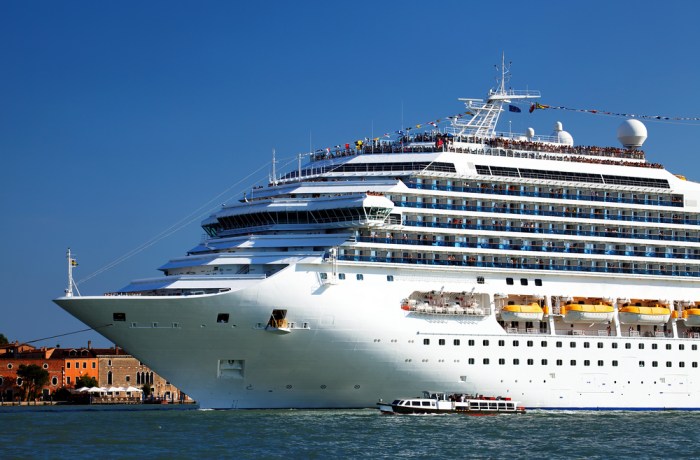
A Mediterranean cruise offers a unique opportunity to delve into the rich tapestry of history and culture that has shaped this fascinating region for millennia. From ancient ruins whispering tales of empires past to vibrant modern cities brimming with life, a voyage through the Mediterranean is a journey through time itself. This exploration will focus on several key ports, highlighting the experiences available to those seeking a deeper cultural immersion.
Historical and Cultural Significance of Eastern Mediterranean Ports
The Eastern Mediterranean boasts a wealth of historical sites and cultural experiences. Three significant ports exemplify this richness: Istanbul, a city bridging Europe and Asia, Athens, the birthplace of democracy, and Rhodes, a historic island with layers of civilizations. Each offers a unique glimpse into the past and present of the region.Istanbul, formerly Constantinople, stands as a testament to the enduring influence of the Byzantine and Ottoman empires.
Its iconic Hagia Sophia, once a grand cathedral, then a mosque, and now a museum, showcases architectural marvels and a fascinating history. The Topkapi Palace, the opulent residence of Ottoman sultans, offers a glimpse into imperial life. The bustling Grand Bazaar and Spice Market immerse visitors in the sights, sounds, and aromas of a vibrant marketplace, a tradition spanning centuries.Athens, the cradle of Western civilization, is steeped in ancient history.
The Acropolis, with its majestic Parthenon, dominates the skyline, a symbol of Athenian power and artistic achievement. The ancient Agora, the heart of Athenian political and social life, allows visitors to imagine the bustling center of democracy. The numerous museums house priceless artifacts, offering a deeper understanding of Greek art, mythology, and history.Rhodes, a captivating island, presents a fascinating blend of cultures.
The medieval Old Town, a UNESCO World Heritage site, is a remarkably preserved example of medieval architecture, a testament to the Knights of St. John. The Colossus of Rhodes, one of the Seven Wonders of the Ancient World, may be lost to time, but its legacy remains, reminding us of the island’s historical importance as a significant trading center and strategic location.
A Memorable Cultural Experience: A Taverna Evening in Santorini
Imagine: the sun dipping below the Aegean Sea, painting the caldera in hues of fiery orange and soft purple. The air is alive with the sounds of bouzouki music, a lively rhythm punctuated by the laughter of locals and tourists alike. The scent of grilled seafood and oregano hangs heavy in the air, mingling with the salty tang of the sea breeze.
You sit at a rustic wooden table in a traditional taverna, the rough texture of the wood beneath your hands. You savor the taste of succulent grilled octopus, its tender flesh yielding to your fork, accompanied by a crisp glass of Assyrtiko wine, its earthy notes complementing the seafood perfectly. The warmth of the evening, the vibrant atmosphere, and the delicious food create a sensory experience that encapsulates the essence of Santorini and the Greek Islands.
Immersing Oneself in Local Culture During Shore Excursions
To fully appreciate the local culture, it’s crucial to engage with it actively. This goes beyond simply visiting tourist attractions. Consider taking guided walking tours led by local experts who can offer insightful commentary and personal anecdotes. Venture beyond the main tourist areas to discover hidden gems and interact with locals in their everyday lives. Attend local events, if possible, to experience the culture firsthand.
Learning a few basic phrases in the local language can enhance interactions and show respect for the local culture. Support local businesses by purchasing souvenirs and enjoying meals at family-run restaurants, contributing directly to the community. By embracing these approaches, you’ll gain a richer, more authentic experience that extends far beyond the typical tourist trail.
Cruise Vacations
Exploring the world by cruise ship offers a unique blend of relaxation, adventure, and cultural immersion. While the Mediterranean remains a highly popular choice, numerous other destinations provide equally enriching experiences. This section delves into alternative cruise vacation options, compares them to the Mediterranean, and highlights the diverse types of cruises available to suit various preferences.
Alternative Cruise Destinations
The Mediterranean, with its rich history and diverse cultures, sets a high bar for cruise itineraries. However, several other regions offer comparable experiences. Three compelling alternatives include Southeast Asia, the Caribbean, and the Baltic region. Southeast Asia boasts a vibrant tapestry of cultures, ancient temples, bustling markets, and stunning beaches. The Caribbean offers a mix of colonial history, vibrant island life, and pristine beaches.
The Baltic region, encompassing countries like Sweden, Finland, and Russia, presents a unique blend of Nordic culture, historical cities, and breathtaking landscapes. Each offers a distinct flavor, promising a memorable cruise experience.
Mediterranean vs. Caribbean Cruises
A comparison of Mediterranean and Caribbean cruises highlights their distinct characteristics. The Mediterranean typically offers a more historical and culturally rich experience, while the Caribbean focuses more on relaxation, beaches, and watersports.
| Feature | Mediterranean | Caribbean | Comparison |
|---|---|---|---|
| Climate | Generally warm and dry summers, mild winters. | Tropical climate, warm year-round. | Mediterranean offers varied seasons; Caribbean is consistently warm. |
| Culture & History | Ancient ruins, historical cities, diverse cultures (Greek, Italian, Spanish, etc.). | Colonial history, vibrant island cultures, indigenous influences. | Mediterranean emphasizes historical sites; Caribbean focuses on island culture. |
| Activities | Sightseeing, exploring ancient sites, museum visits, culinary experiences. | Beach relaxation, watersports (snorkeling, diving), island hopping, nature excursions. | Mediterranean offers more land-based activities; Caribbean prioritizes water-based activities. |
| Scenery | Picturesque coastlines, charming villages, islands. | Tropical beaches, lush rainforests, turquoise waters. | Mediterranean offers diverse landscapes; Caribbean is characterized by tropical beauty. |
Types of Cruise Vacations
The cruise industry caters to a wide range of preferences, offering diverse vacation styles.
Different cruise lines and itineraries cater to specific needs and interests, creating unique experiences.
- Luxury Cruises: These cruises emphasize opulent accommodations, exceptional service, and exclusive experiences. Examples include Regent Seven Seas Cruises and Silversea Cruises, known for their all-inclusive packages and personalized service. Think private butler service, gourmet dining, and access to exclusive shore excursions.
- Family-Friendly Cruises: Designed for families with children, these cruises offer kid-friendly amenities, activities, and entertainment. Royal Caribbean and Disney Cruise Line are prime examples, with dedicated kids’ clubs, water parks, and character meet-and-greets.
- Adventure Cruises: These cruises focus on exploring remote destinations and engaging in adventurous activities. Examples include expeditions to Antarctica or the Galapagos Islands, featuring kayaking, hiking, and wildlife viewing. Companies like Lindblad Expeditions and National Geographic Pristine Seas are known for this type of cruise.
Planning a Mediterranean cruise is an exciting endeavor, filled with anticipation for the sun-kissed shores and rich cultural tapestry awaiting you. By carefully considering your preferences, researching itineraries, and utilizing the tips and information provided in this guide, you can create a bespoke journey tailored to your interests. Whether you prioritize historical exploration, vibrant nightlife, or simply relaxation on deck, the Mediterranean offers a diverse range of experiences to satisfy every traveler.
So, embark on your adventure with confidence, knowing you have the tools to plan an unforgettable Mediterranean cruise.
Clarifying Questions
What is the best time of year to cruise the Mediterranean?
Shoulder seasons (spring and fall) offer pleasant weather and fewer crowds, while summer provides the warmest temperatures but may be more crowded and expensive.
How much does a Mediterranean cruise cost?
Prices vary greatly depending on the cruise line, ship, cabin type, and time of year. Expect to pay anywhere from a few hundred to several thousand dollars per person.
Do I need a visa for a Mediterranean cruise?
Visa requirements depend on your nationality and the specific countries you’ll be visiting. Check the visa requirements for each country well in advance of your trip.
What should I pack for a Mediterranean cruise?
Pack light, comfortable clothing suitable for warm weather, including swimwear, sunscreen, a hat, and comfortable walking shoes. Remember also to bring any necessary medications and travel documents.
Are gratuities included in the cruise fare?
Gratuities are typically not included in the base fare and are added as a daily or total amount at the end of the cruise. Check your cruise line’s policy for specifics.


